
THE IMPORTANCE OF NATIVE PLANTS
Native plants are those defined as species that have evolved and adapted to a specific geographic region or ecosystem over thousands of years, occurring naturally without direct human introduction. They benefit local soils, ecosystems, and wildlife, but can often be outcompeted by non-natives which can be worse for our ecosystems, soils, and water, and sometimes invasive like Kudzu, Chinese privet, or Bradford pear.
So, what's the difference between natives and non-natives?
Native plants:
- Benefit soil health through deeper root systems and symbiotic microbe relations
- Benefit native ecosystems and pollinators by providing seasonal flowers and fruits, and habitat for native wildlife
- Need fewer fertilizers and other additives to thrive, as they are already adapted to native soil conditions
- Are key in Riparian Buffers and streambank stabilizations!
Non-natives:
- Can be invasive, outcompeting native plants and creating monotonous landscapes such as fields covered in kudzu
- Poorly adapted to local conditions
- Require more work and maintenance to keep alive
- Do not support native ecosystems
What Plants Are Native to South Carolina?
There are thousands of native plant species in South Carolina! From commonly seen ones like the southern magnolia or eastern redbud that grow all along the Southeast, to rare, local, and endangered species like the Oconee bell and bunched arrowhead (which grows in only two counties: Greenville County in SC and Henderson County in NC), natives are everywhere if you just know how to look. Some examples are:
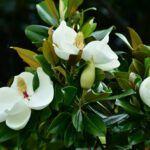
Southern magnolia
Magnolia grandiflora
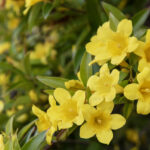
Carolina Jessamine
Gelsemium sempervirens
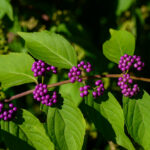
American beautyberry
Callicarpa americana
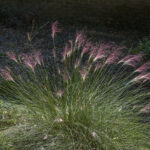
Pink Muhly Grass
Muhlenbergia capillaris
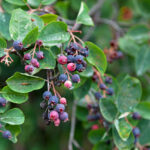
Downy Serviceberry
Amelanchier arborea
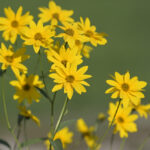
Swamp Sunflower
Helianthus angustifolius
Learn more:
South Carolina Native Plant Society
Books as Resources:
- Gardening With Native Plants of the South, by Sally Wasowski with Andy Wasowski
- Life at the Water's Edge: A Shoreline Resident's Guide to Natural Lakeshore and Streamside Buffers for Water Quality Protection in South Carolina, published by Clemson University
- Aquatic and Wetland Plants of South Carolina, by Cynthia A. Aulbach-Smith and Steven J. de Kozlowski
- Native Plants of the Southeast, by Larry Mellichamp
Download PDF lists of plants: